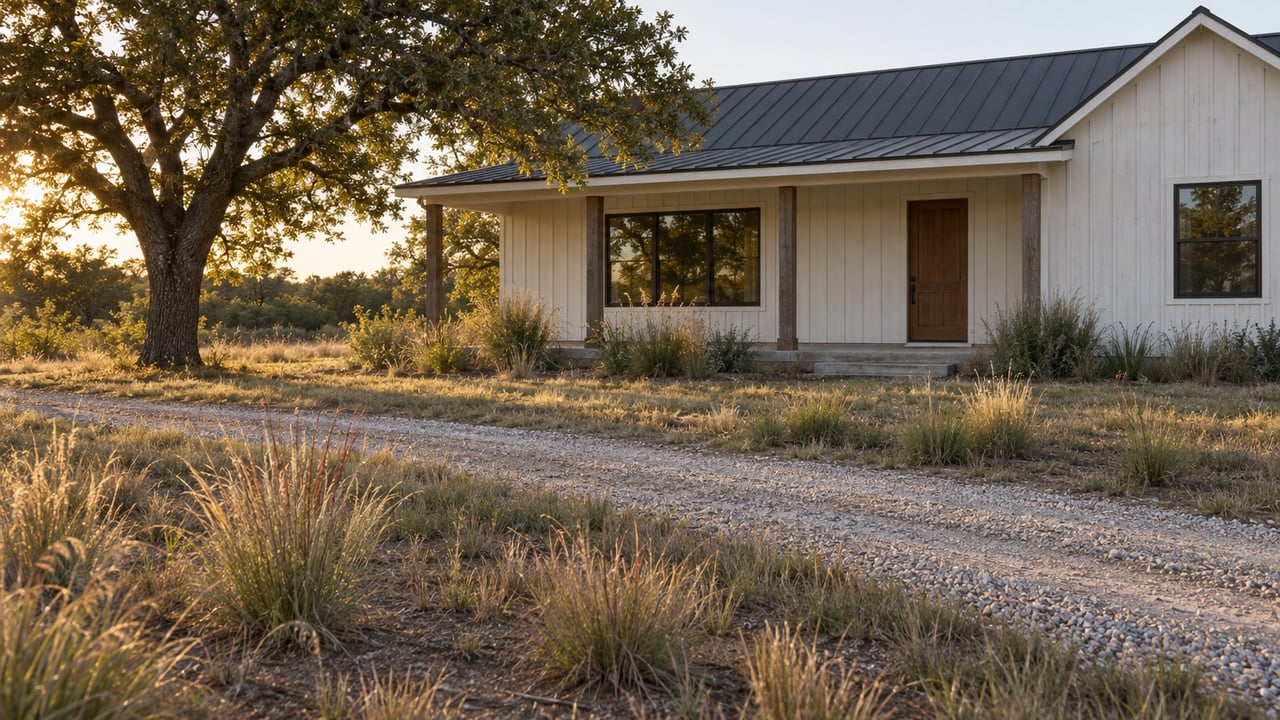
The Fine Print Behind Buffalo Gap's "Ag Exempt" Land Listings
October 1, 2026
October 1, 2026
"Ag exempt." Two words sitting next to the price and acreage count on almost every rural listing along FM 89 and the county roads branching out from Buffalo Gap's historic village core. For a buyer picturing a barndominium on ten acres with room for a couple of horses, those two words read like a bonus: someone already did the paperwork, and the tax bill will stay small forever. That reading is close, but not quite right, and the gap between what the phrase implies and what it actually promises is exactly where new landowners get an expensive surprise months after closing.
Start with what the exemption actually is. Under the Texas Constitution and Tax Code, qualifying rural land isn't taxed on what it would sell for. It's taxed on what it produces: hay, cattle, timber, or an approved wildlife management plan. That productivity value runs far below market value, which is why a tract that would carry a five-figure annual tax bill at market rate can owe only a few hundred dollars a year under the special appraisal. Nothing is technically exempted. The valuation method is just different, and it stays different only as long as the qualifying use continues.
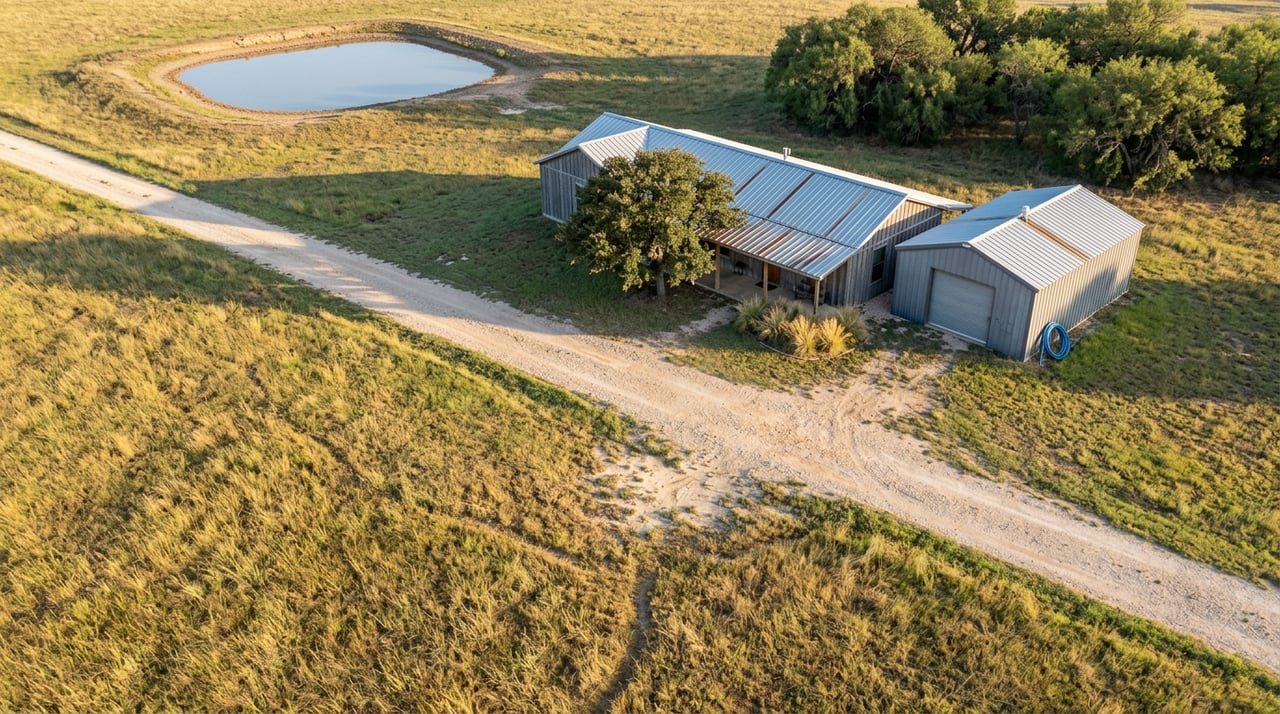
Buffalo Gap listings make the distinction visible if you know what to look for. A recent Taylor County acreage listing described 83 fenced acres with multiple cross-fences and four stock tanks, built for livestock and land management, the kind of setup that supports an ag valuation. Compare that to a platted lot in one of the subdivisions closer to the village core, sold with public water available and septic required, priced and sized for a house rather than a herd. Same road, same general area, two completely different tax postures.
Here's where buyers get anxious, often for the wrong reasons. If land holding an ag valuation stops being used for that qualifying purpose, the appraisal district can recapture the tax savings through a rollback.
The rules governing that rollback changed twice in the past decade, and a lot of the guidance still circulating online hasn't caught up.
| Old rule (pre-2019 / pre-2021) | Current Texas law | |
|---|---|---|
| Lookback window | 5 prior years | 3 prior years |
| Interest charged | 7% per year | None |
House Bill 1743 cut the lookback from five years to three, effective September 2019. House Bill 3833 went further and removed the interest charge entirely for open-space agricultural land, effective June 2021. The Texas Comptroller's office confirms the current mechanics directly: the rollback tax is the difference between what was paid under productivity value and what would have been paid at market value, calculated for each of the three years preceding the change, with no added interest. Some county-specific guides written before those bills took effect still describe the five-year, 7%-interest version. If a seller, a listing, or an older blog post quotes those older numbers, they're describing a rule that hasn't applied in years.
Before writing an offer on acreage near Buffalo Gap, a few questions are worth settling while there's still time to negotiate:
Ag valuation isn't the only place where a Buffalo Gap acreage purchase differs from a suburban one. Most rural parcels here run on private wells and septic systems rather than city utilities, so buyers should pay close attention to the distance between a well and a septic drain field; state environmental guidance recommends 100 feet or more where the lot allows it. The Texas Groundwater Protection Committee's buyer guidance walks through exactly what to check before relying on an existing well: its position relative to the septic system, whether it sits in a flood-prone spot, and whether any older wells on the property are properly capped.
Buffalo Gap sits in unincorporated Taylor County, which changes a few other assumptions new buyers carry in from a city. There's no standard curbside trash pickup; residents typically use a private hauler or the county landfill. Power runs through ERCOT, Texas's deregulated grid, which means a new owner picks their own retail electricity provider rather than being assigned one. The Public Utility Commission's Power to Choose site lets a buyer compare plans by ZIP code once they know the address, useful to check before closing rather than scrambling the week of move-in.
None of this makes acreage near Buffalo Gap harder to buy than it looks on the listing. It makes the due diligence period the place where the real work happens, well before the closing table, while there's still time to ask the county a question or negotiate who covers a cost that might come due later.
Do I need cattle to keep an ag valuation, or does wildlife management count? According to PropertyTaxes.Law, once land already carries an ag valuation, an owner can generally convert it to a wildlife management valuation instead, which requires implementing at least three of seven defined practices, such as habitat control or providing supplemental water, along with an approved plan. It's a conversion path for land already qualified, not a way to newly qualify land that never carried an ag valuation.
Who actually decides if my land still qualifies? The county appraisal district, in this case the Taylor Central Appraisal District, makes that call.
Acreage near Buffalo Gap comes with real tax advantages and real fine print, and the two aren't the same conversation. Anyone weighing a specific parcel here, whether it's ten acres with a homesite in mind or a working tract with cattle already on it, can get in touch with Tiny or Grand Realty Group to talk through what a particular listing's ag status actually means before making an offer.
This article is general information, not legal, tax or financial advice. Consult a qualified professional about your situation.
Stay up to date on the latest real estate trends.
Explore our website to discover the latest property listings, insightful market reports, and valuable resources to empower your real estate decisions. Whether you’re a first-time homebuyer, seasoned investor, or looking to sell your property, Tiny or Grand Realty Group is here to make your real estate journey a seamless and rewarding experience. Thank you for considering Tiny or Grand Realty Group as your trusted real estate partner. Let’s turn your dreams into addresses!