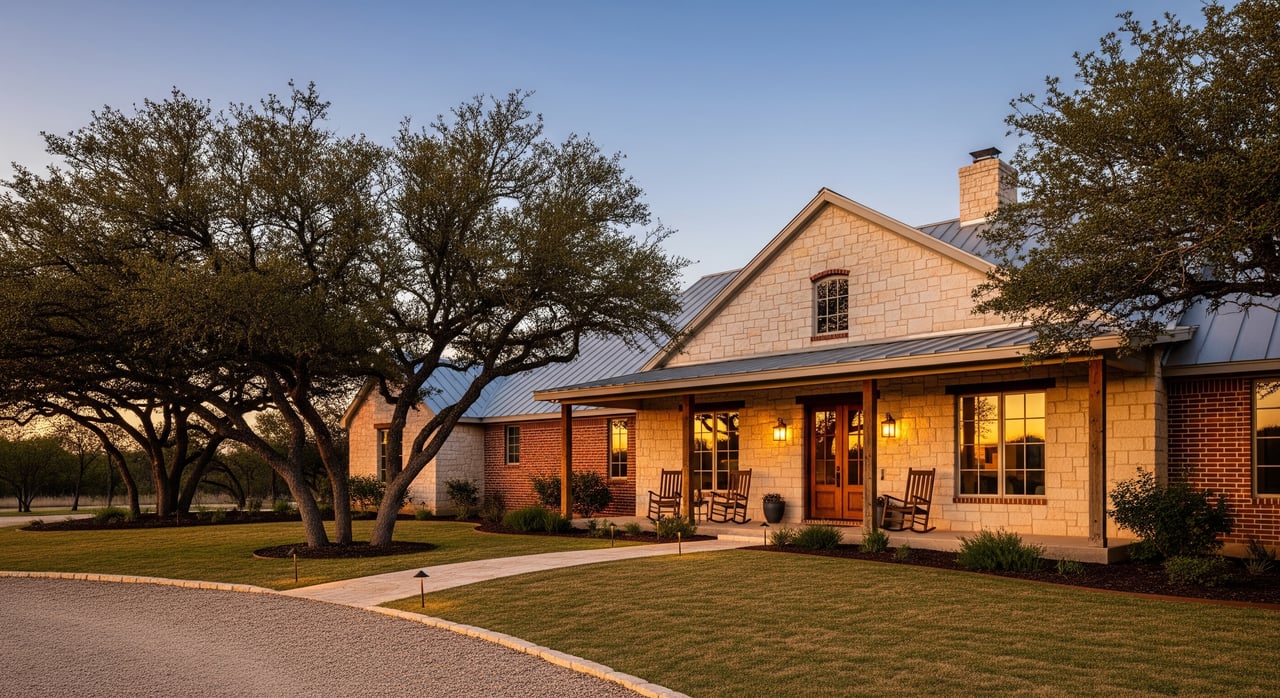
Living in Abilene TX: Everyday Life, Neighborhoods & Vibe
February 5, 2026
February 5, 2026
Wondering what living in Abilene really feels like day to day? You might be weighing a move for work, a military transfer, or a desire for a little more space with a smaller-city pace. In this guide, you’ll get a clear look at how people get around, where they shop and play, and how different neighborhoods feel so you can choose the right fit. Let’s dive in.
Most people in Abilene drive for work, school, and errands. Interstate 20 is the main east-west corridor, with state highways and local arterials connecting neighborhoods to job centers and shopping. You’ll find the longest daily traffic along major corridors, while many residential streets stay calm and easy to navigate. Public buses operate along key routes, and rideshare services are available, though coverage can vary by area and time of day.
Abilene Regional Airport provides limited commercial service for quick trips. For a larger menu of flights, many residents plan drives to bigger hub airports in other Texas cities. If you want walkable errands, focus your home search around downtown or near university areas. Most newer neighborhoods are car oriented.
You’ll do most day-to-day shopping along the city’s major commercial corridors and near I-20. Grocery stores, pharmacies, and big-box retailers are spread across town, and small local shops add character in the core districts. Healthcare is easy to access, with Hendrick Health anchoring hospital and specialty services supported by clinics and dental offices.
Abilene’s calendar blends college events, community gatherings, local sports, and the arts. You can catch performances tied to nearby universities, visit museums, or explore local music venues. On sunny days, families head to parks, trails, and nearby lakes for fishing, boating, and picnics.
If you like character homes and being close to local dining and cultural venues, Abilene’s older districts near downtown often deliver. Expect early to mid-20th century homes, tree-lined streets, and smaller lots. You’ll trade larger yards for shorter drives and a more walkable feel.
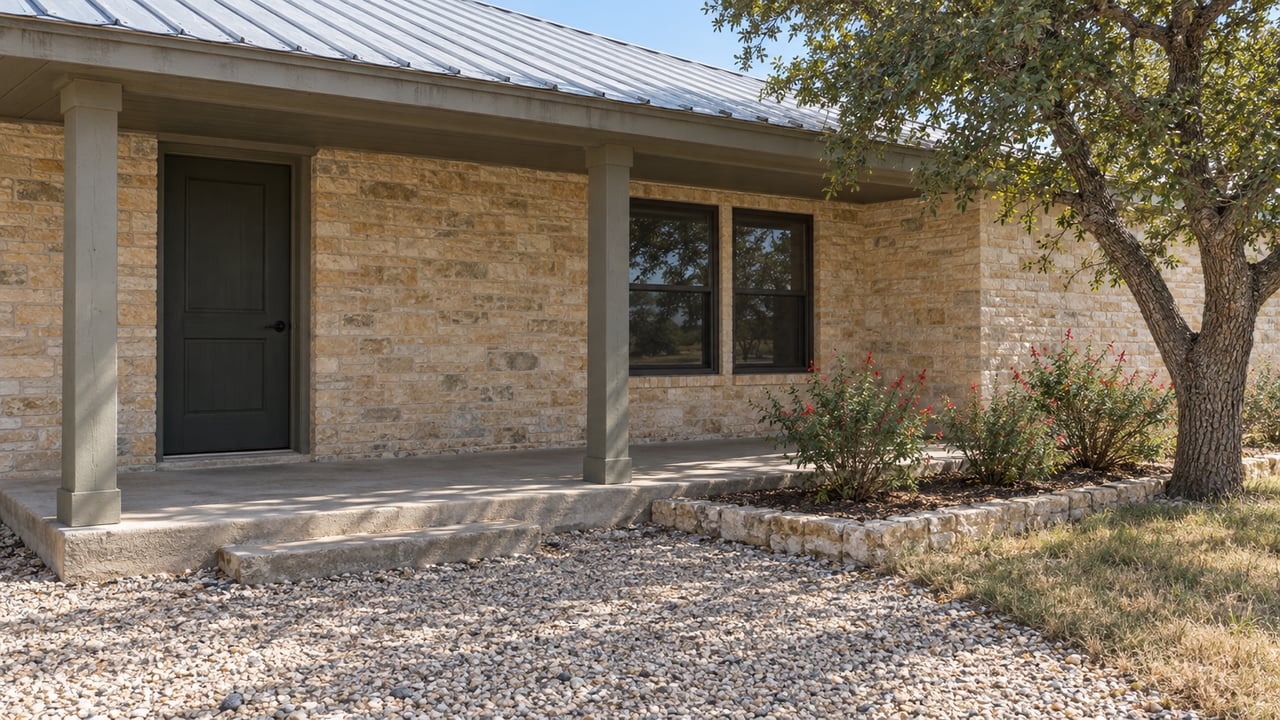
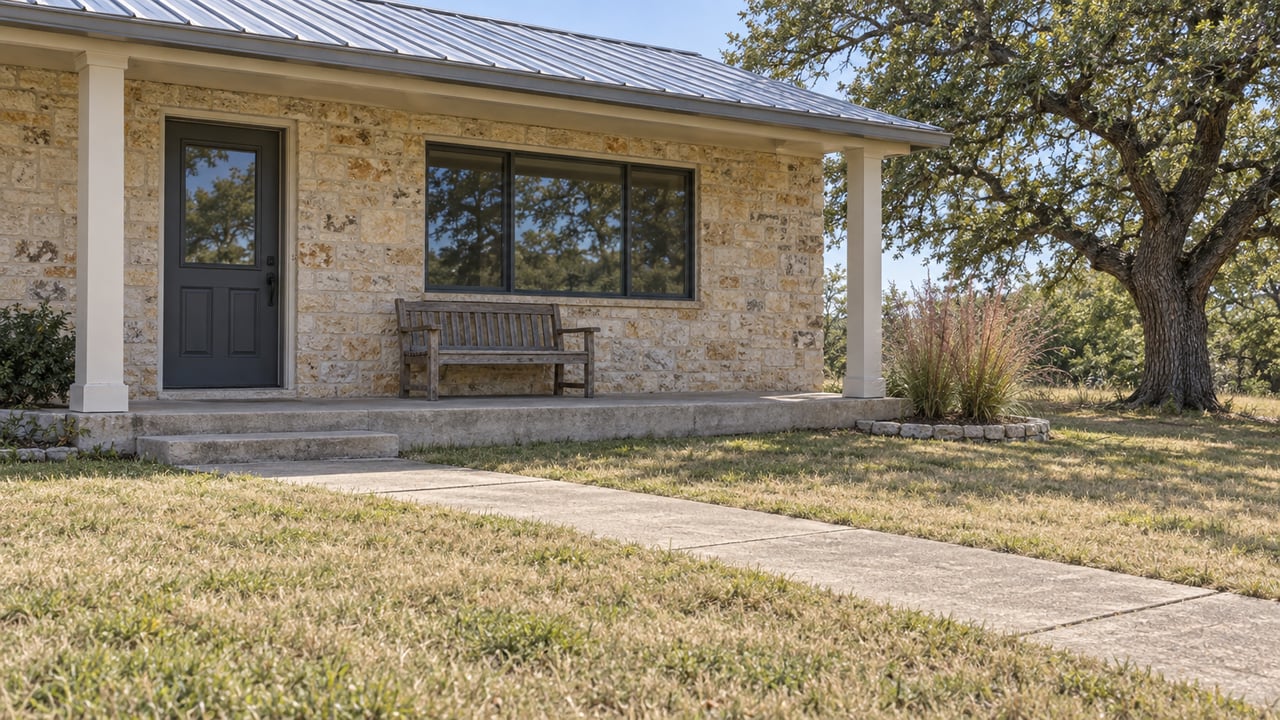
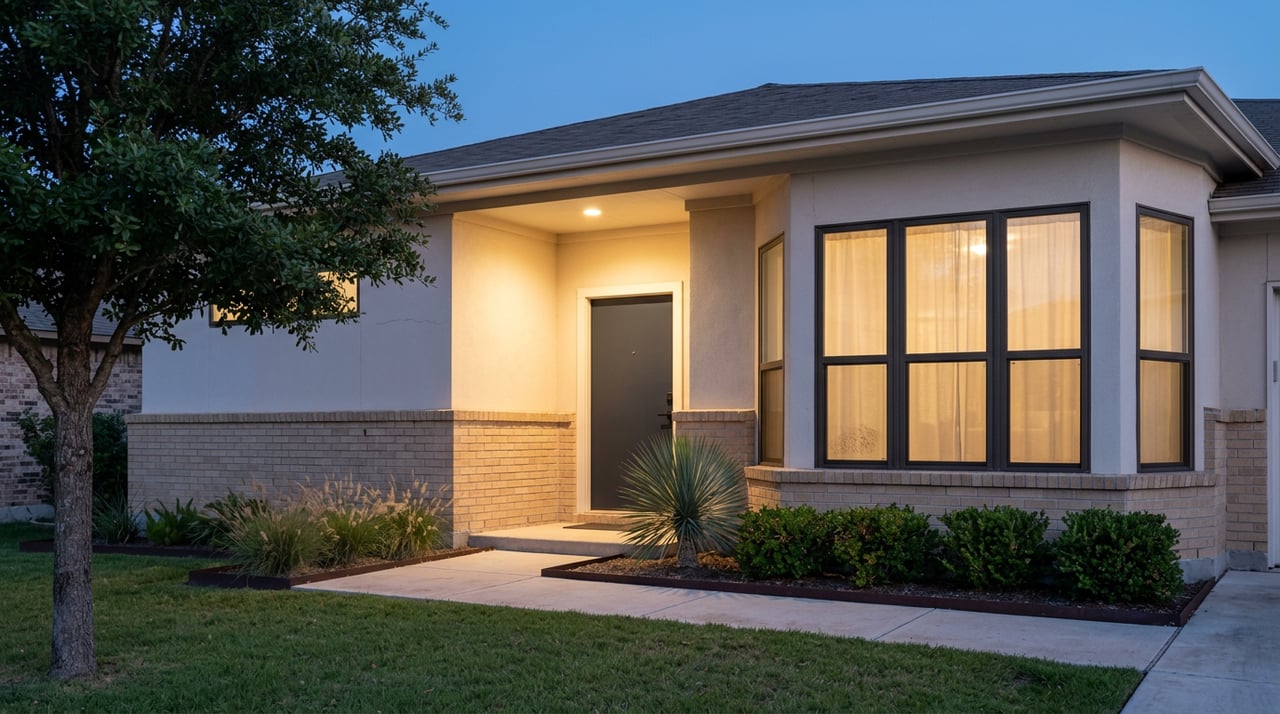
These areas feature ranch-style homes, mostly single story, on modest lots with mature trees. They offer stable residential streets and quick access to schools and shopping corridors. Many homes have been updated, while others are ready for your personal touch.
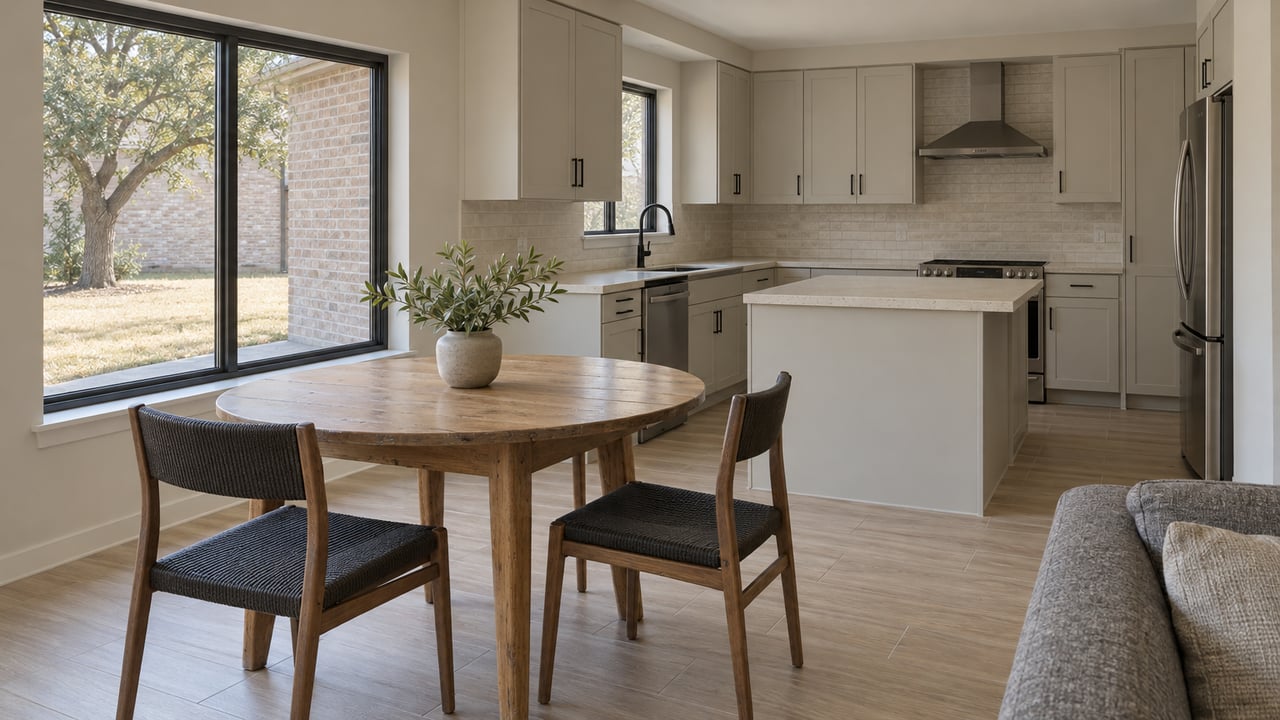
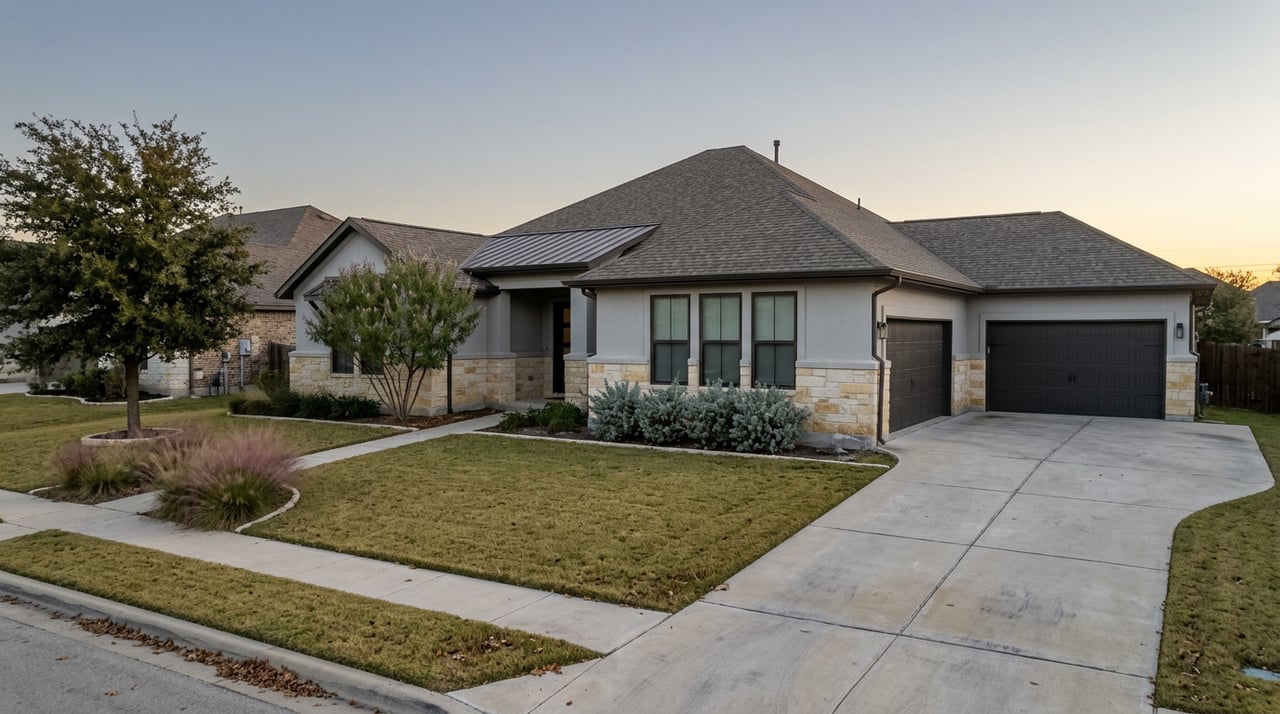
If move-in-ready finishes, open layouts, and modern systems are your priority, look to newer communities on the edges of town. You’ll often find cul-de-sacs, small yards, and homeowners associations, plus newer infrastructure. These areas sit farther from downtown yet close to shopping and schools.
Areas around Abilene Christian University, Hardin-Simmons University, McMurry University, and Texas State Technical College have a strong student presence and a mix of rentals and owner-occupied homes. Neighborhoods near Dyess Air Force Base reflect a blend of military households and long-time residents. If you want shorter drives to campus or base, target these zones.
Apartments, duplexes, and townhomes tend to group along major corridors and near job centers. These pockets provide flexible options for short-term stays, tenant-first purchases, or investors.
Compared with large Texas metros like Dallas or Austin, many buyers find Abilene more affordable for both housing and everyday expenses. That lower cost of living is a common reason people move here for a small-city lifestyle. Within the city, historic homes and established districts close to amenities can command higher prices, while older infill areas and outlying suburbs may stretch your budget further. If you’re weighing price versus proximity, plan to compare commute time, home condition, lot size, and HOA rules across a few neighborhoods.
Abilene maintains a network of neighborhood and regional parks with playgrounds, sports fields, walking paths, and picnic areas. Outdoor lovers also use nearby Abilene State Park for camping and nature time. Local lakes, including Lake Fort Phantom Hill, offer space for boating, fishing, and relaxed days on the water.
College music, theater, and lectures add energy throughout the year, and local museums and venues host rotating programs. Families can enjoy kid-focused attractions, seasonal festivals, and community traditions. Schedules vary, so it helps to follow event calendars when planning your move.
Hendrick Health System anchors regional hospital and specialist care. If medical proximity is a priority, consider routes from your short list of neighborhoods to clinics and hospitals at the times you would normally travel.
You can live close to base for a short commute or choose a farther suburb for newer builds and larger homes. If you’re using VA financing or need remote closing help, plan a timeline that syncs with base schedules.
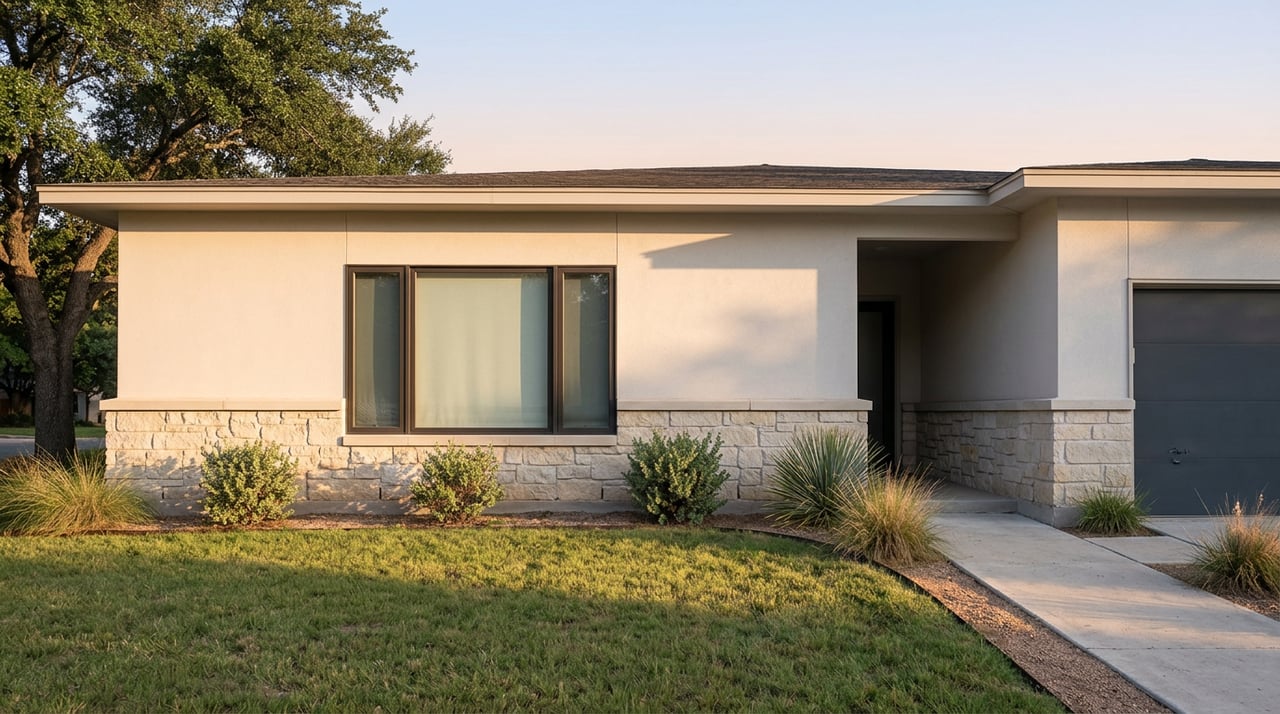
Established and newer neighborhoods offer choices at many price points, from handy ranch homes to larger two-story builds. Think through yard size, school proximity, and travel time to regular activities.
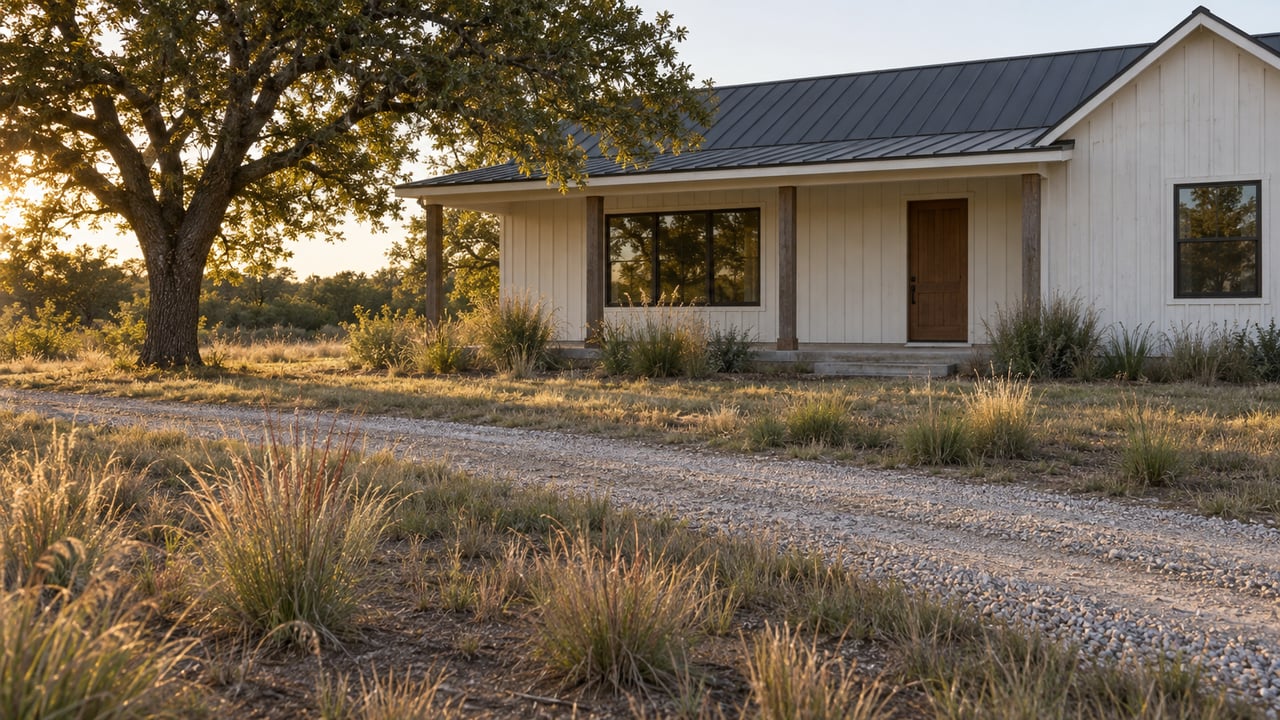
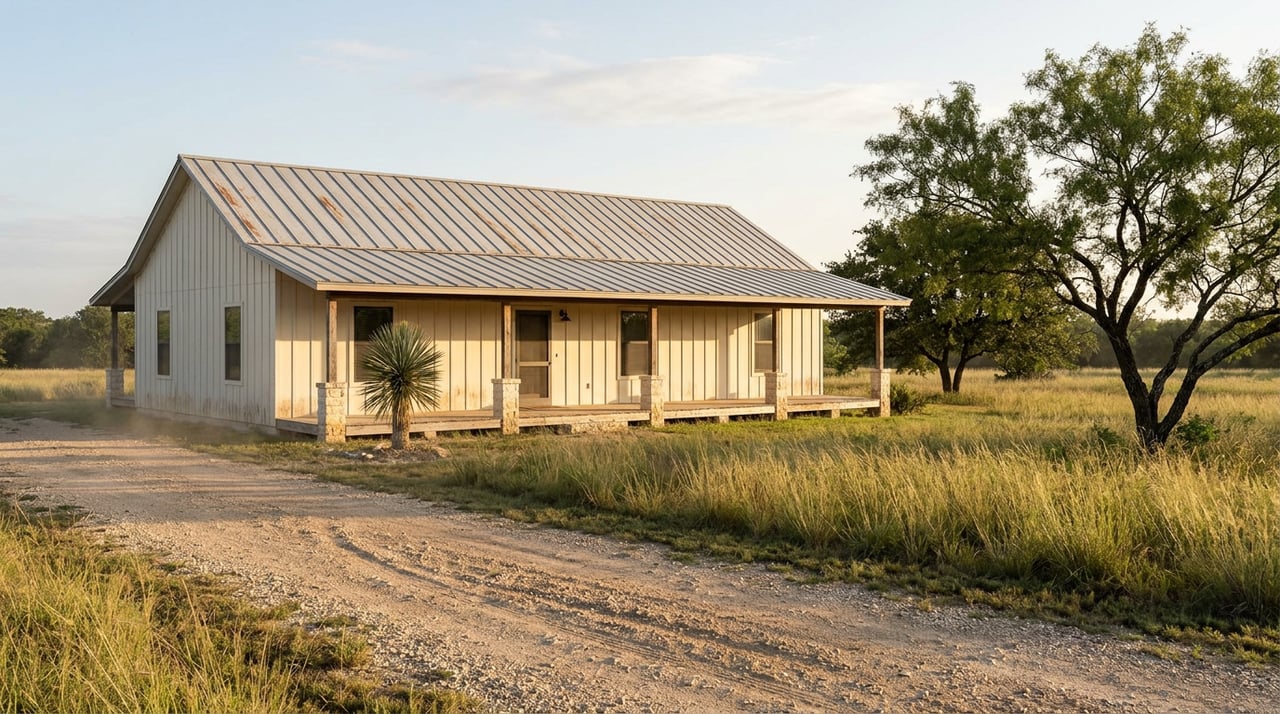
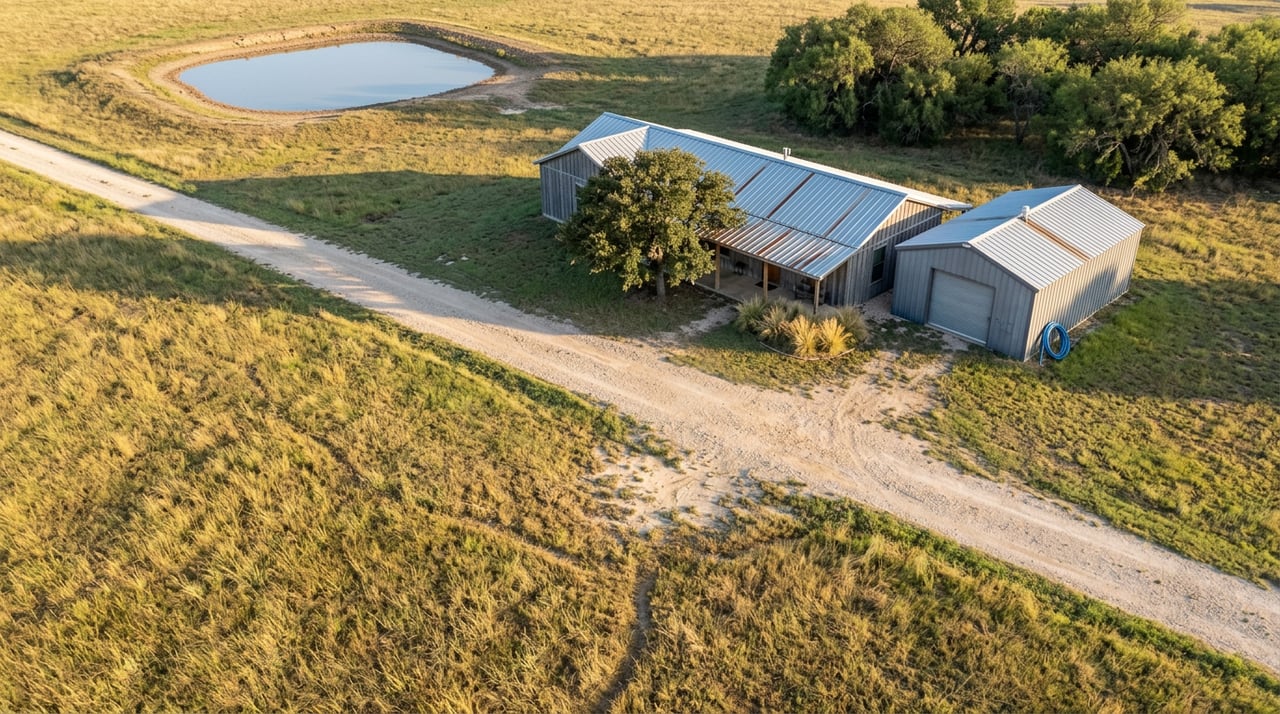
If you want more land for hobbies or privacy, the Abilene area includes acreage and farm-style properties beyond the city grid. Check road access, utilities, fencing, and any agricultural considerations.
Abilene’s stable pace and affordability appeal if you’re moving from a bigger metro. Remote showings, digital signatures, and clear communication keep the process on track across time zones.
As a boutique, veteran-led team in Abilene, we combine local market know-how with Coldwell Banker’s marketing tools to make your move smooth and predictable. We support military relocations with MRP expertise and a service-first approach, and we guide buyers and sellers through suburban homes, higher-end listings, and rural acreage with clear timelines and polished presentation.
Whether you’re exploring neighborhoods near Dyess, comparing school options, or eyeing an acreage outside town, our team will tailor your search, preview homes, and manage details so you can move with confidence. Ready to get started? Connect with the team at Tiny or Grand Realty Group to map your next step.
Stay up to date on the latest real estate trends.
Explore our website to discover the latest property listings, insightful market reports, and valuable resources to empower your real estate decisions. Whether you’re a first-time homebuyer, seasoned investor, or looking to sell your property, Tiny or Grand Realty Group is here to make your real estate journey a seamless and rewarding experience. Thank you for considering Tiny or Grand Realty Group as your trusted real estate partner. Let’s turn your dreams into addresses!