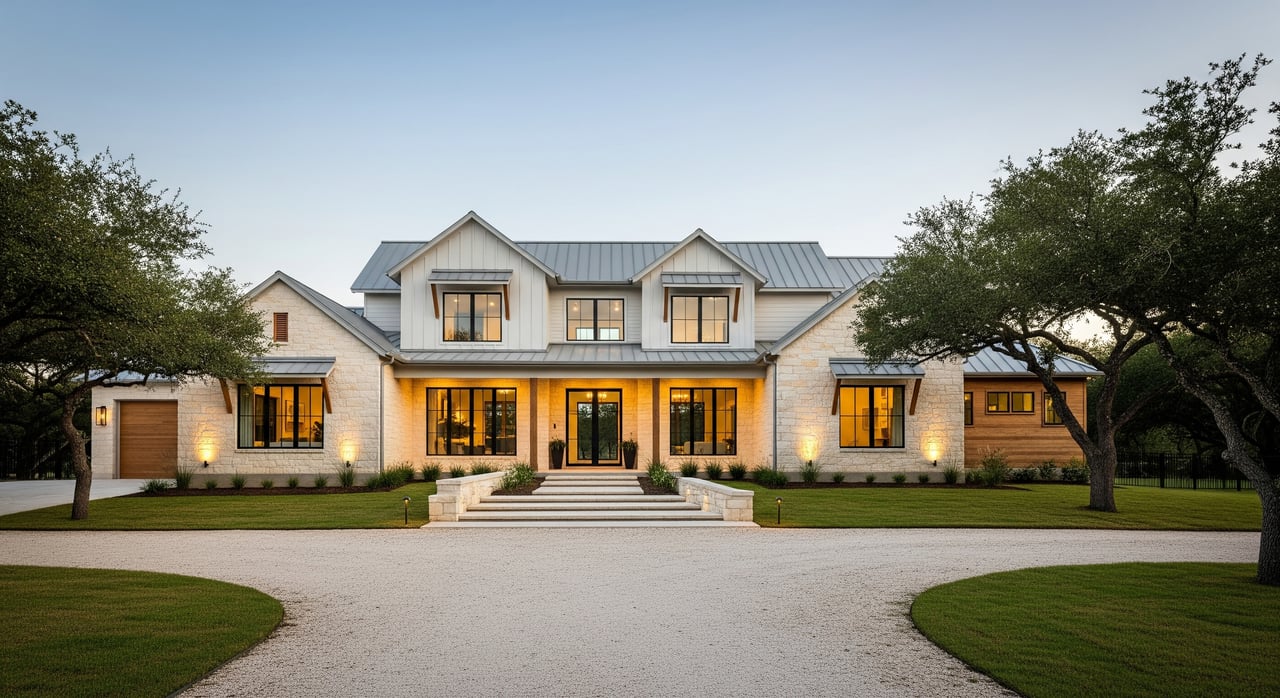
2-1 Buydown vs. Price Cut for Tuscola New Builds
January 8, 2026
January 8, 2026
Staring at builder incentives in Tuscola and wondering if a 2-1 buydown or a straight price cut is the smarter move? You are not alone. New-construction buyers and sellers across Taylor County ask this question because the choice affects monthly payments, taxes, appraisals, and resale strategy. In this guide, you will learn how each option works, what it means for your wallet, and how to match the right incentive to your plans. Let’s dive in.
A 2-1 buydown is a temporary interest-rate reduction funded at closing, usually by the builder or seller. Your rate is reduced by about 2 points in year 1 and 1 point in year 2, then returns to the original note rate from year 3 through the end of the loan.
The effect is simple. Your principal-and-interest payment is lower in the first two years, then steps up to the permanent payment. This can help with short-term cash flow or make qualifying easier, depending on your loan program and lender.
Funds for the buydown must be documented on your closing disclosures and typically count as a seller concession. The lender must approve and disclose the arrangement.
A price cut is a permanent reduction in the contract sales price before closing. The lower price reduces your loan amount if your down payment percentage stays the same.
Because you are borrowing less, your monthly principal-and-interest payment is lower for the life of the loan at the agreed note rate. The reduced sale price appears on the deed and the recorded sale data used in appraisal comparisons.
The seller receives lower proceeds, dollar for dollar, when compared with the original price.
If you plan to refinance or move within two to three years, a buydown can be attractive. If you plan to stay long term, a price cut often wins because the savings never expire.
A 2-1 buydown can help some buyers qualify today because certain loan programs and lenders may consider the temporarily reduced payment in ratios. Rules vary, and some lenders must use the note rate for qualification. Always confirm with your lender in writing.
A price cut lowers the loan amount and can improve qualification at any lender. It also changes the recorded sale price that appears in comparable sales.
Property taxes are a big factor in your carrying costs in Taylor County. Texas counties consider the sale price and market data when assessing value. A price cut lowers the recorded sale price, which may influence assessments. A 2-1 buydown does not change the sale price, so it does not directly affect the value used for property tax assessments.
Appraisers must disclose concessions like buydowns on the settlement statement. A price cut shows up directly in comparable sales and can influence future appraisals more than a concession would. In a smaller market like Tuscola where comps can be thin, these details matter.
Assume a $300,000 contract price in Tuscola with 5 percent down and a 30-year note rate of 6.50 percent.
What this shows:
The actual seller subsidy to fund a buydown is set by the lender’s calculations and program rules. Always ask the lender for a written quote so you can compare the seller’s cost to a price reduction of similar value.
In small markets like Tuscola, builders often prefer buydowns because they preserve the recorded sale price while helping buyers with early affordability. That can protect future comps for other homes in the community.
A price cut is straightforward and easy for buyers to understand, but it lowers the recorded sale price. That can ripple into future appraisals and perceptions of value on nearby listings.
Seller concessions, including buydowns, are subject to program limits for conventional, FHA, VA, and USDA loans. Make sure the chosen incentive fits within those limits.
Use these prompts with your lender and the builder’s lender before you decide.
Loan program and limits
Buydown details
Price cut implications
Total cost comparison
Start with your time horizon and cash-flow needs. If you want immediate relief and expect to refinance or move within a couple of years, a 2-1 buydown can be a strong tool. If you plan to stay for the long haul, a price cut typically wins on lifetime savings and can help with property tax basis.
In Tuscola and greater Taylor County, your lender’s stance and the local appraisal landscape matter. Confirm program rules, get written numbers, and weigh the marketing and resale implications for your specific home.
Ready to compare your options on a Tuscola new build or discuss incentives for your listing? Let’s talk. Connect with the team at Tiny or Grand Realty Group for a local, side-by-side analysis tailored to your plans.
Stay up to date on the latest real estate trends.
Explore our website to discover the latest property listings, insightful market reports, and valuable resources to empower your real estate decisions. Whether you’re a first-time homebuyer, seasoned investor, or looking to sell your property, Tiny or Grand Realty Group is here to make your real estate journey a seamless and rewarding experience. Thank you for considering Tiny or Grand Realty Group as your trusted real estate partner. Let’s turn your dreams into addresses!