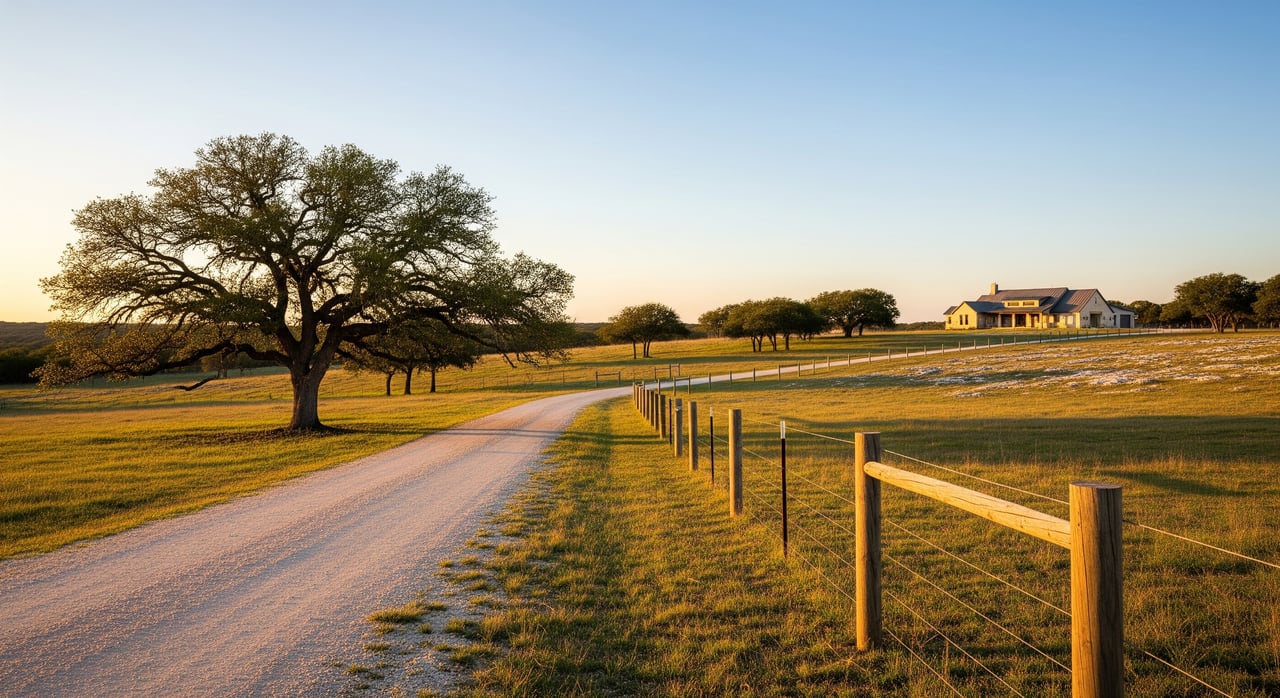
Smart Guide to Buying Land in Ovalo for Investment
January 15, 2026
January 15, 2026
Thinking about buying land in Ovalo but not sure where to start? Rural acreage can be an excellent long-term play, yet it comes with different rules than a neighborhood home. You want clarity on value, utilities, mineral rights, taxes, and the true cost to make your land usable. In this guide, you’ll learn the key steps to evaluate land around Ovalo in Taylor County so you can invest with confidence. Let’s dive in.
Ovalo sits in rural Taylor County, just south of Abilene. Buyers here range from farmers and ranchers to recreational users and those planning acreage homesites. Values are influenced by proximity to Abilene for jobs and services, agricultural productivity, regional oil and gas activity, and local infrastructure improvements.
Expect demand to be cyclical. Energy and commodity prices, plus regional population trends, can affect pricing and time on market. To price a specific parcel, look for recent comparable land sales and price per acre across Taylor County and neighboring counties using MLS data, Taylor County Appraisal District records, and reputable land marketplaces.
If you plan to subdivide or improve property, research county road projects, utility extensions, and nearby development activity that could boost value over time.
Much of rural Texas is unzoned, which can sound simple at first. In practice, you still need to confirm what rules apply. Verify whether a parcel sits inside a city limit or extraterritorial jurisdiction because that can add requirements. Check Taylor County subdivision regulations, any applicable building codes, and the process for on-site wastewater and wells.
In Texas, surface and mineral estates can be owned separately. Buying the surface does not guarantee mineral ownership unless minerals are expressly conveyed. Mineral owners can often access and develop their rights, subject to reasonable surface use. Confirm mineral status in the title chain, ask the seller about any leases, and consider how oil and gas activity nearby could affect value or future use.
Do not assume that visible access equals legal access. Confirm recorded frontage on a public road or a deeded, recorded easement. Review the title for utility, pipeline, or restrictive easements that might limit building locations or fencing. If access is via a private road, ask for any maintenance agreements or HOA covenants.
Many Ovalo-area parcels rely on private water wells. Well depth, yield, and water quality are critical for both homesites and agricultural uses. Review aquifer information and drought history through the Texas Water Development Board. If feasible, obtain a well report or perform a test pump to confirm production for your intended use.
Most rural homes use on-site septic systems. Soil type affects system design and cost. Before you close, evaluate soils using the USDA NRCS Web Soil Survey, and confirm local permitting and setback rules using TCEQ on-site sewage guidance. A percolation or soils test helps you avoid surprises and plan for the right system size.
Flood risk and drainage patterns can restrict your build site and insurance costs. Check the parcel’s status through the FEMA Flood Map Service Center. Review topography and look for low spots or natural drainage paths that might need engineered solutions.
Electric service and telecom may require extensions that add time and cost. Contact likely providers early for estimates on line extensions, meters, and service upgrades. If traditional service is not practical, you may need alternatives like solar, generators, or satellite internet.
Road access matters for daily use and resale. Paved road proximity can affect seasonal accessibility and maintenance needs. If you are using or building a private road, budget for grading, base material, and ongoing upkeep.
Land value depends on its highest and best use. Parcels may be priced by comparable sales on a per-acre basis, income capitalization for leased grazing or hunting, or a cost approach if improvements like roads, utilities, or fencing are in place.
Raw land loans typically require larger down payments, often 20 to 50 percent, and carry higher interest rates than home mortgages. Common sources include local banks and credit unions, Farm Credit and agricultural lenders, and USDA programs. For agricultural or rural borrowers, explore USDA Farm Service Agency programs and USDA Rural Development options. Construction loans are separate if you plan to build later. Budget for survey, title insurance, septic and well installation, utility extensions, roadwork, and ongoing property taxes.
Agricultural or open-space appraisal can reduce property taxes if your parcel meets local use and acreage criteria. Confirm rules with the Taylor County Appraisal District and review state guidance from the Texas Comptroller. If you convert the property to non-agricultural use, you may face rollback taxes that recapture recent tax savings.
Consider hazard and liability coverage that matches your use. Flood insurance may be required or recommended if the property is in or near a mapped floodplain. Rural settings can influence availability and pricing, so get quotes early in the process.
Buying rural land is about more than price per acre. It is mineral research, water and septic feasibility, access verification, and a plan for utilities and taxes. Our Abilene-based team pairs local knowledge of Taylor County with clear communication and hands-on guidance from contract to close. Whether you are local or relocating, we help you gather the right data, structure smart contingencies, and negotiate with confidence.
If you are considering acreage near Ovalo, let’s talk through your goals and outline a practical path forward. Reach out to Tiny or Grand Realty Group to get started.
Stay up to date on the latest real estate trends.
Explore our website to discover the latest property listings, insightful market reports, and valuable resources to empower your real estate decisions. Whether you’re a first-time homebuyer, seasoned investor, or looking to sell your property, Tiny or Grand Realty Group is here to make your real estate journey a seamless and rewarding experience. Thank you for considering Tiny or Grand Realty Group as your trusted real estate partner. Let’s turn your dreams into addresses!