
Buffalo Gap Real Estate: How Lot Size Impacts Demand
December 4, 2025
December 4, 2025
Are you weighing a cozy in-town lot against a few acres on the edge of Buffalo Gap? You are not alone. In Taylor County, the size of a lot shapes who will buy it, how fast it sells, and what it might appraise for. In this guide, you will learn how lot size affects demand, pricing, and timelines in Buffalo Gap, plus the checks that help you make a confident decision. Let’s dive in.
Lot size changes the size of your buyer pool. Smaller, in-town parcels near Buffalo Gap’s center and commuting routes to Abilene appeal to more buyers who want low maintenance and easy access to services. Larger parcels attract a narrower group that values privacy, space for hobbies, or agricultural use.
Lot size also affects buildability and costs. Access to utilities, septic feasibility, and road access can make a small lot more valuable than a larger one with hidden hurdles. The closer you are to Abilene and core services, the more buyers you tend to draw.
Finally, inventory is limited. Buffalo Gap is a small market. If you have a lot size that is rare at a given time, demand can tighten and prices can shift quickly.
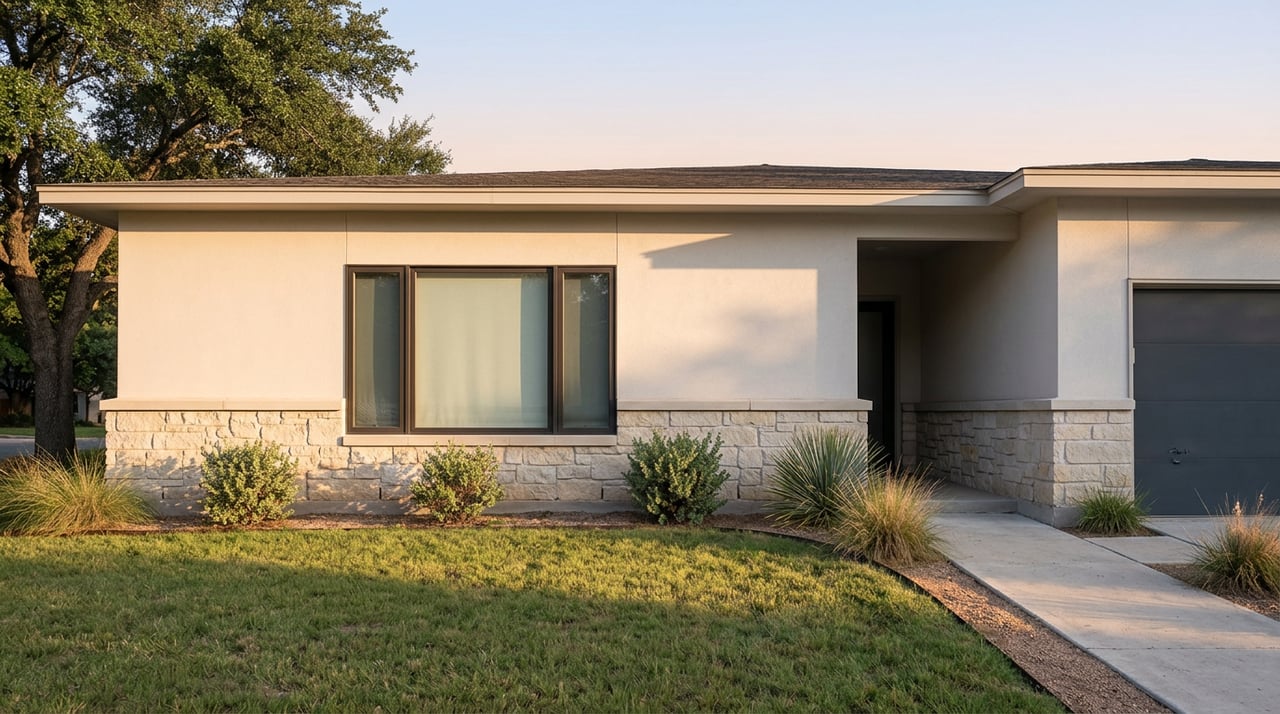
These buyers want convenience and lower upkeep. They often prefer lots with municipal water and, where available, sewer. A smaller yard means lower ongoing costs and less time spent on maintenance. Financing is usually straightforward, and these lots tend to move faster because the buyer pool is broader.
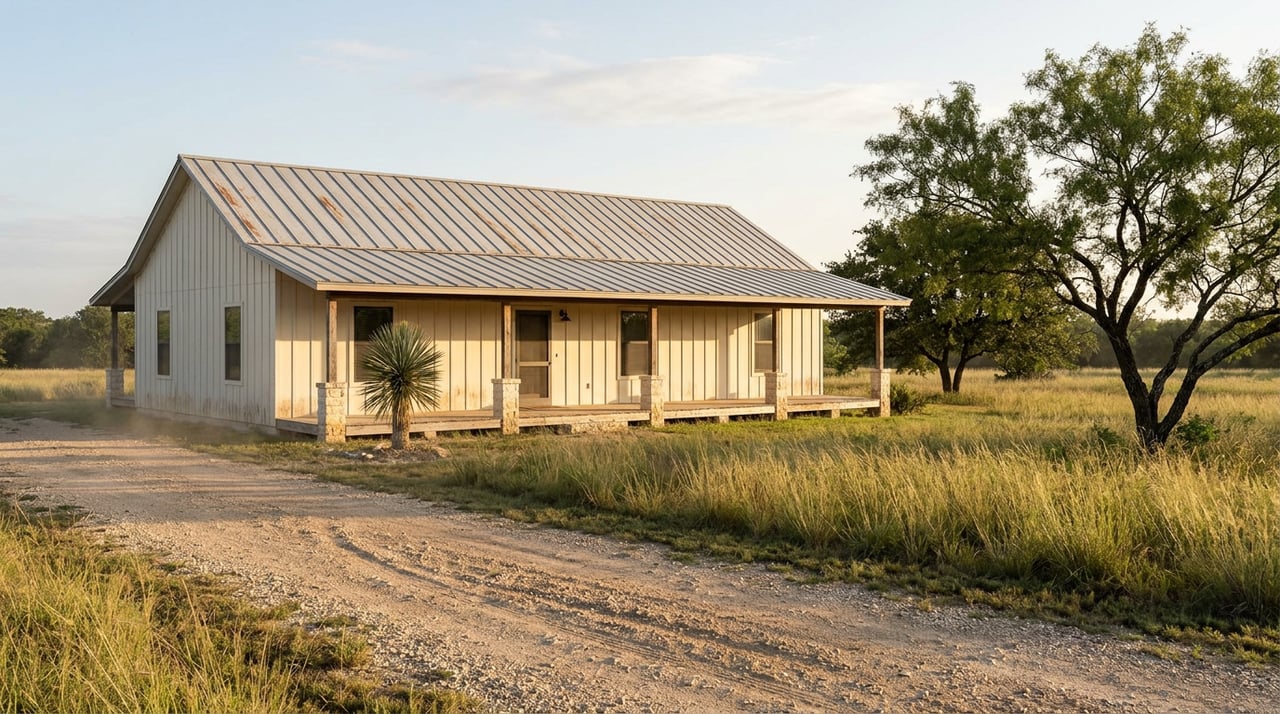
Acreage buyers in this range value privacy and room for outbuildings or hobbies. Usable acreage matters more than a raw number. Parcels with good access, a level homesite, and basic utilities nearby can draw strong interest. Timelines can be longer than for in-town lots because these buyers are more selective.
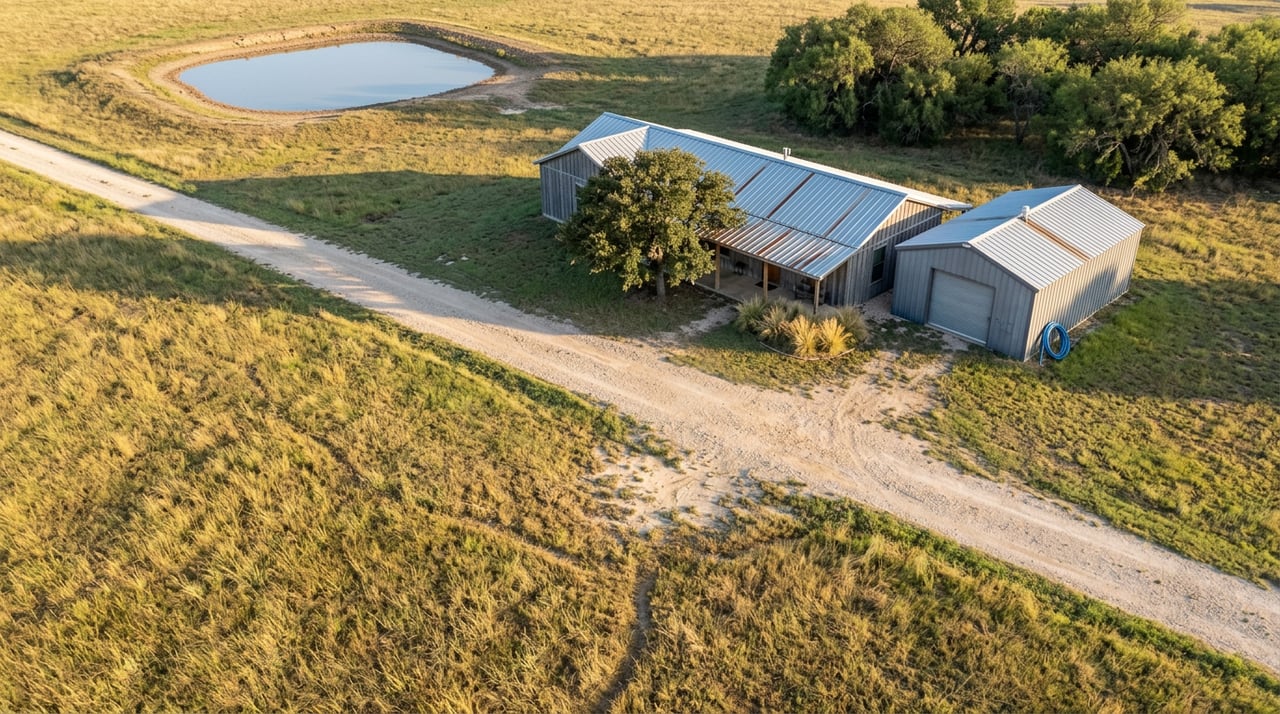
These draw ranch-style or hobby farming buyers, and sometimes developers. Price sensitivity is higher, and the buyer pool is narrower. Marketing needs to highlight access, water sources, fencing, and potential for future improvements. Expect longer days on market unless pricing and presentation are spot on.
Investors may target small parcels for future appreciation or larger tracts for subdivision potential. Feasibility depends on zoning, minimum lot sizes, and infrastructure. Parcels near growth corridors toward Abilene can attract interest if subdivision is realistic and utility extensions are manageable.
Small residential lots are usually valued on a price-per-square-foot basis. Larger rural parcels are often evaluated by price per acre. As acreage increases, the price per acre can decline because each additional acre tends to add less value than the first. Exceptions occur when location, access, or development potential change the equation.
Two lots can be the same size but have very different value. Buyers care about land they can actually use for a home site, outbuildings, or a pasture. Floodplain areas, steep slopes, or unbuildable portions reduce usable acreage. Maps that show buildable areas help buyers understand what they are getting.
Lots with municipal water and sewer have broader appeal and simpler financing. Rural tracts that need a well and septic can still sell well, but buyers will factor in installation and permitting costs. Electric service is common, but line extensions can add time and cost. Broadband availability is a growing need for remote workers and can influence demand.
Proximity to Abilene employment, healthcare, and shopping can shift demand toward smaller, closer-in lots. Buyers who prioritize land and privacy will look further out. If a property offers both reasonable commute times and room to spread out, it can command strong interest.
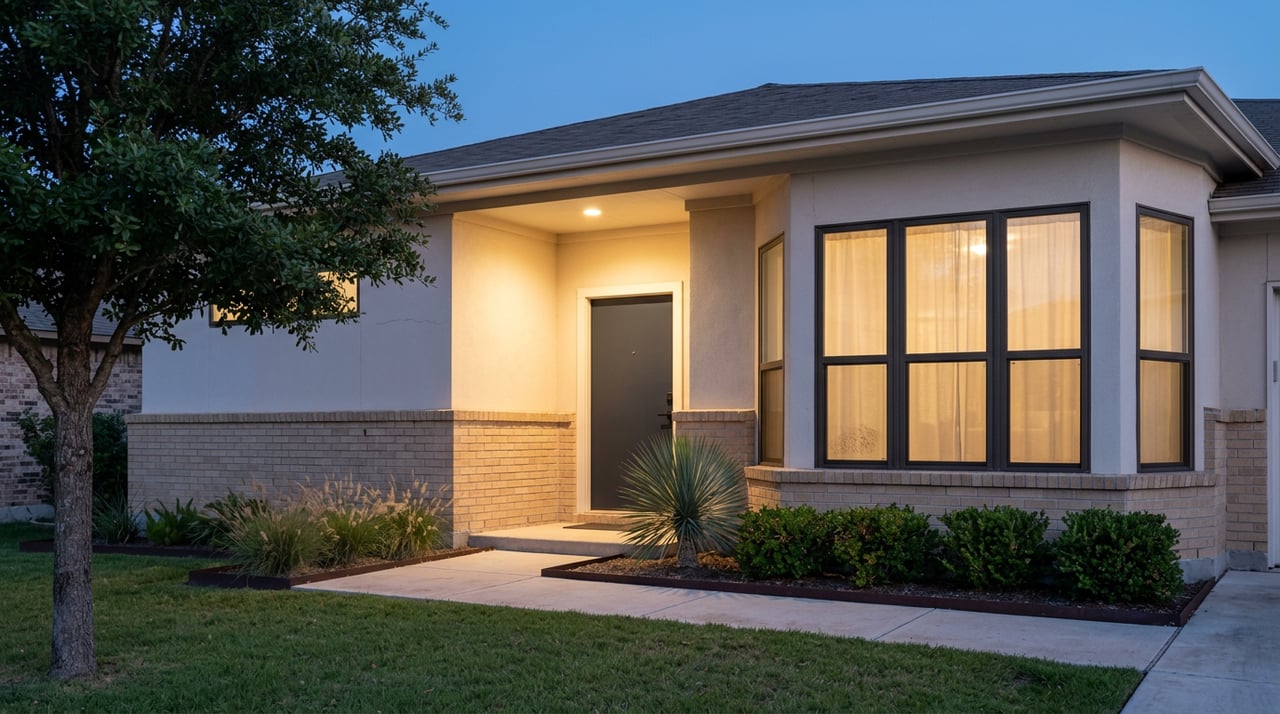
A half-acre inside Buffalo Gap limits with municipal water and potential sewer typically attracts buyers who want simpler upkeep and straightforward financing. The buyer pool is broad, and time on market is often shorter.
Five acres 10 to 15 minutes away may require a well and septic. That property draws acreage buyers who value space. Financing can be more specialized, and buyers will ask about soils, septic feasibility, and utility access. Expect a more targeted marketing plan and potentially a longer timeline.
A larger tract close to Abilene’s growth paths may attract developers who see subdivision potential. The value hinges on zoning, minimum lot sizes, access, and the cost to bring water, sewer, and roads. A clear feasibility story with maps and estimated infrastructure needs is essential.
A smaller lot that includes a FEMA-designated flood zone can still be marketable, but usable acreage shrinks. Buyers will want to understand the buildable area and any added insurance costs. Clear maps and a realistic price help maintain interest.
In-town parcels may have municipal water and, in some areas, sewer. Rural tracts often rely on private wells. Confirm well feasibility, typical depths, and permits for Taylor County. Utilities are a major driver of buyer interest and financing terms.
Septic systems require enough land and suitable soils for the drain field. Soil type and drainage affect both cost and feasibility. A soil or percolation test gives buyers confidence and reduces surprises.
Buffalo Gap’s municipal limits and Taylor County unincorporated areas can have different rules for minimum lot sizes, setbacks, and subdivision. Setbacks and easements reduce the buildable area, which is especially important for narrow lots. Verify requirements before listing or writing an offer.
Recorded easements, oil and gas or mineral reservations, and conservation restrictions can affect how a lot is used. Buyers will want clarity on access, fence lines, water rights, and any use restrictions.
Standard residential lots with municipal utilities often qualify for common loan products. Raw land or large acreage may require higher down payments and shorter loan terms. If you are buying, discuss the property type with your lender early. If you are selling, prepare buyers with clear utility and access information.
Appraisers use different approaches based on lot size. Small residential lots lean on price-per-square-foot comparables near town. Larger rural tracts rely on per-acre comps. When a lot is unusual for the area, the pool of comparable sales can be thin, which affects timing.
Flood insurance is required if the homesite sits in a mapped flood zone. Larger parcels can bring higher maintenance costs for fencing, roads, and pasture care. Buyers should budget for these ongoing costs when comparing options.
Bigger is not always better. A large, remote tract can be perfect for a buyer who wants privacy and land for hobbies, but the buyer pool is smaller and timelines are longer. A smaller in-town lot with municipal services often draws more offers and smoother financing. Focus on the match between the property’s features and the buyer segment you want to reach.
Whether you are buying a small lot near town or selling acreage outside Buffalo Gap, the right preparation makes all the difference. Clarify utilities and buildability, gather surveys and maps, and price with the correct metrics for your lot size. If you want a local plan tailored to your goals, we are here to help. Connect with the team at Tiny or Grand Realty Group for clear guidance and a plan that fits your timeline.
Stay up to date on the latest real estate trends.


Explore our website to discover the latest property listings, insightful market reports, and valuable resources to empower your real estate decisions. Whether you’re a first-time homebuyer, seasoned investor, or looking to sell your property, Tiny or Grand Realty Group is here to make your real estate journey a seamless and rewarding experience. Thank you for considering Tiny or Grand Realty Group as your trusted real estate partner. Let’s turn your dreams into addresses!